


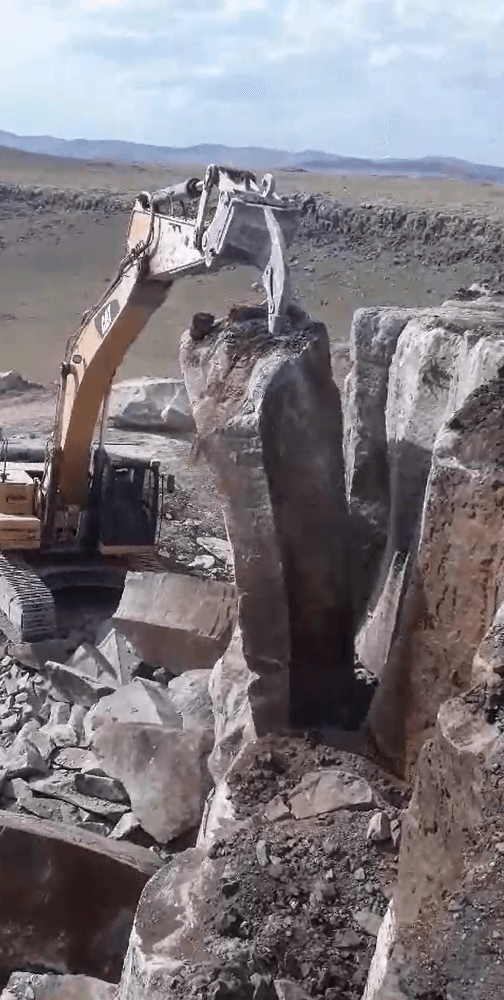
Basalt
The name basalt comes from the Ethiopian word "basal", which means "boiled". It is the most common extrusive rock. Basalt is a high-density, dark stone. It is a black or gray stone often covered with a reddish or greenish layer.
Structure
Basalt is a dark inert mountain volcanic rock. It usually consists of plagioclase (white-gray), olivine (green, glasscolour), pyroxene (black, shiny), and also contains augite, magnetite, and titanium, which are natural materials. Basalt doesn’t burn and can withstand temperatures up to 1500 ° C.
Basalt rocks
To this group belong basalts, melanobasalts, basaltic andesite, andesites, dacites, andesitedecites, etc.
Advantages
- high resistance to pressure
- shock resistance (vibration damping)
- high chemical stability
- almost zero water absorption
- frost resistance
- ecological and hygienic safety
- natural raw material basalt has an unusual, unique appearance
Chemical structure
SiO2 45-52%,
TiO2 1—2,5%,
Al2O3 15-18%,
Fe3O4 8-15%,
CaO 6-12%,
MgO 5-7%,
CaO 6-12%,
Na2O 1.5-3%,
K2O 0.1-1.5%,
P2O5 0,2—0,5%